
+86 18395326713

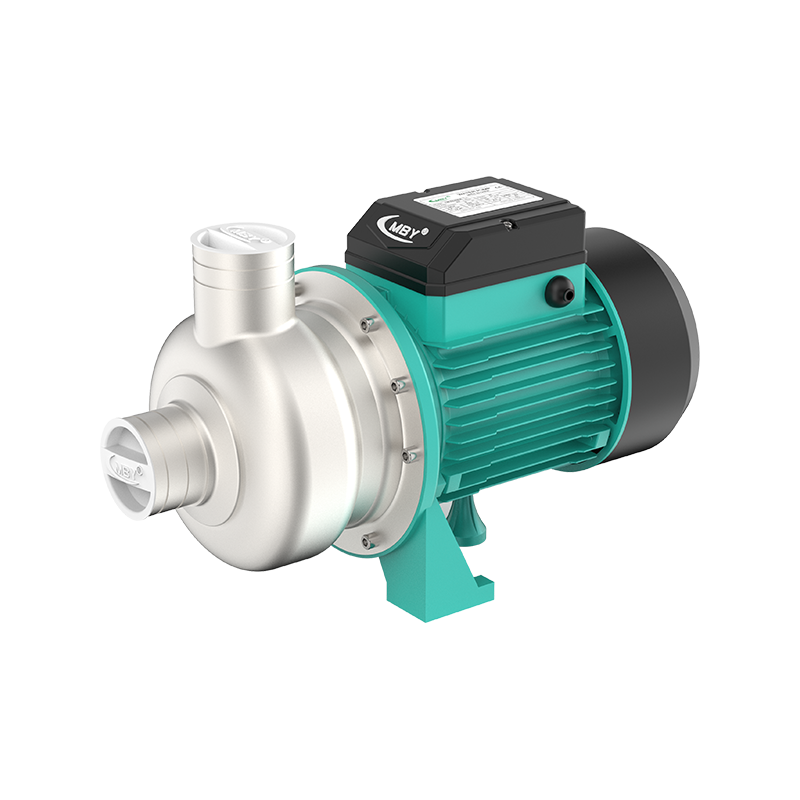
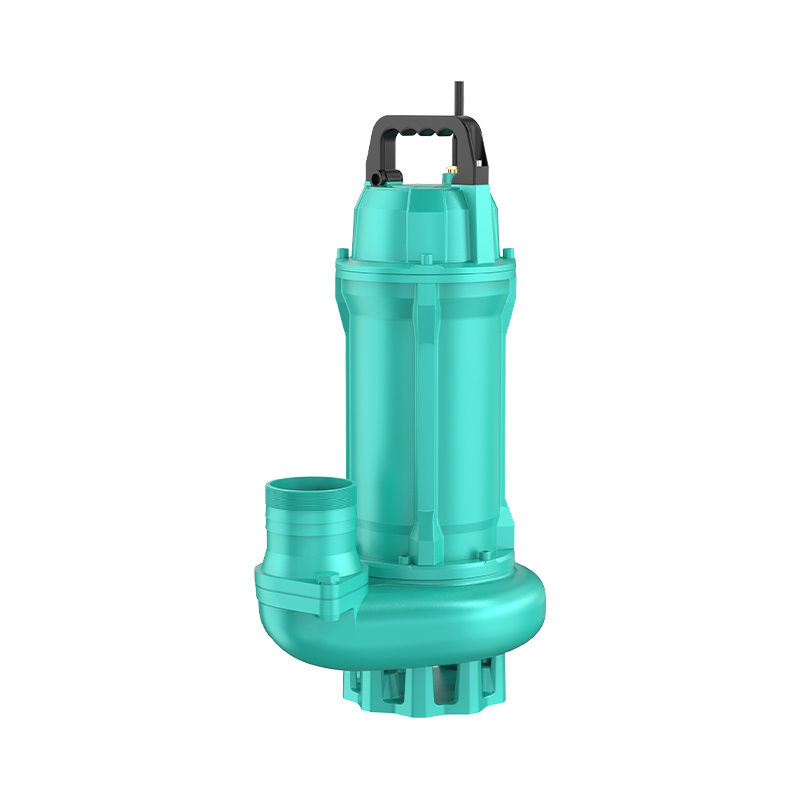
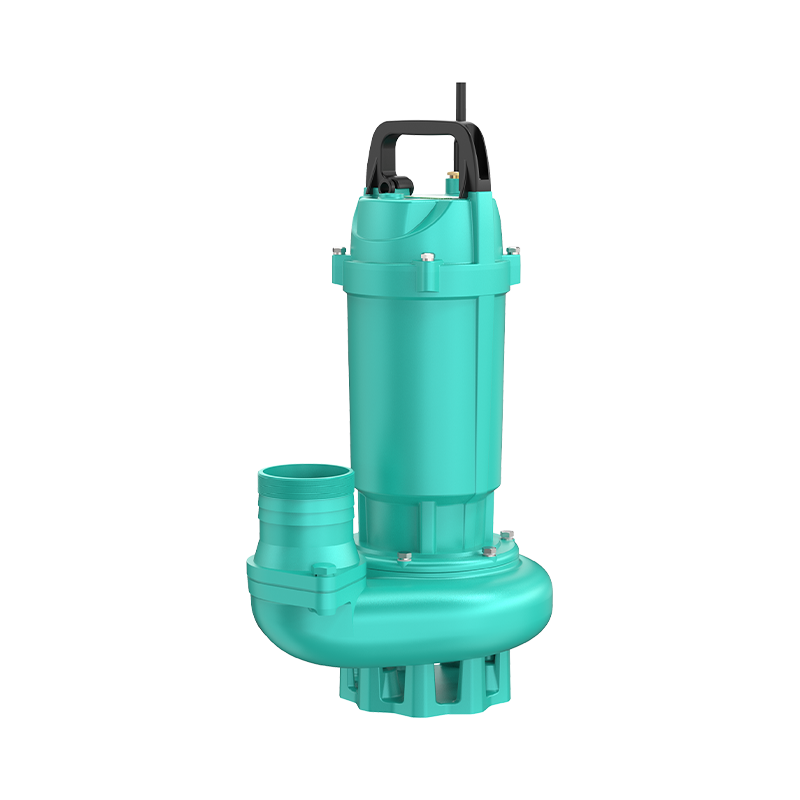
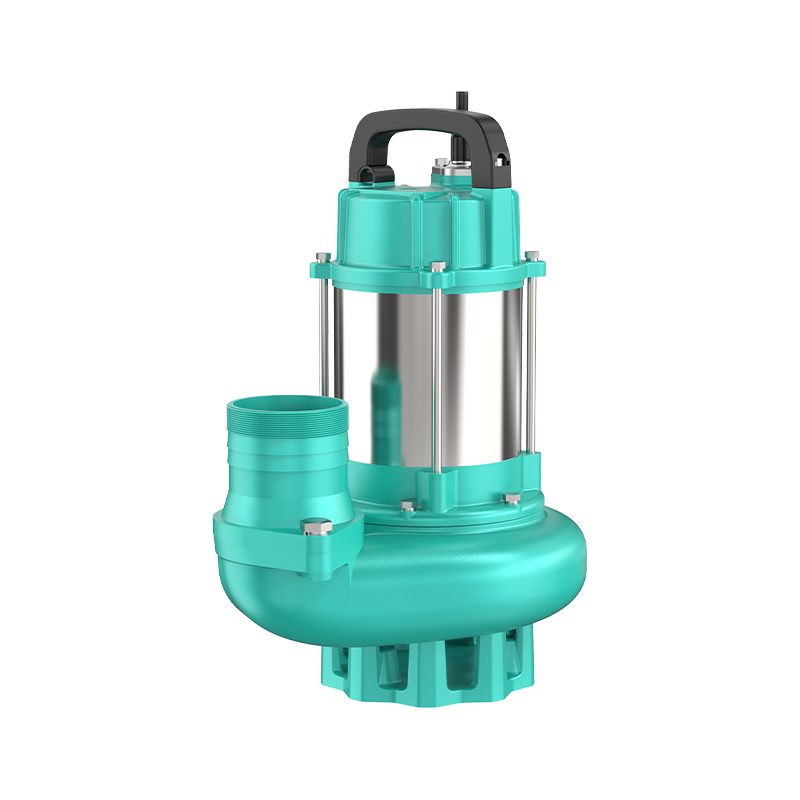
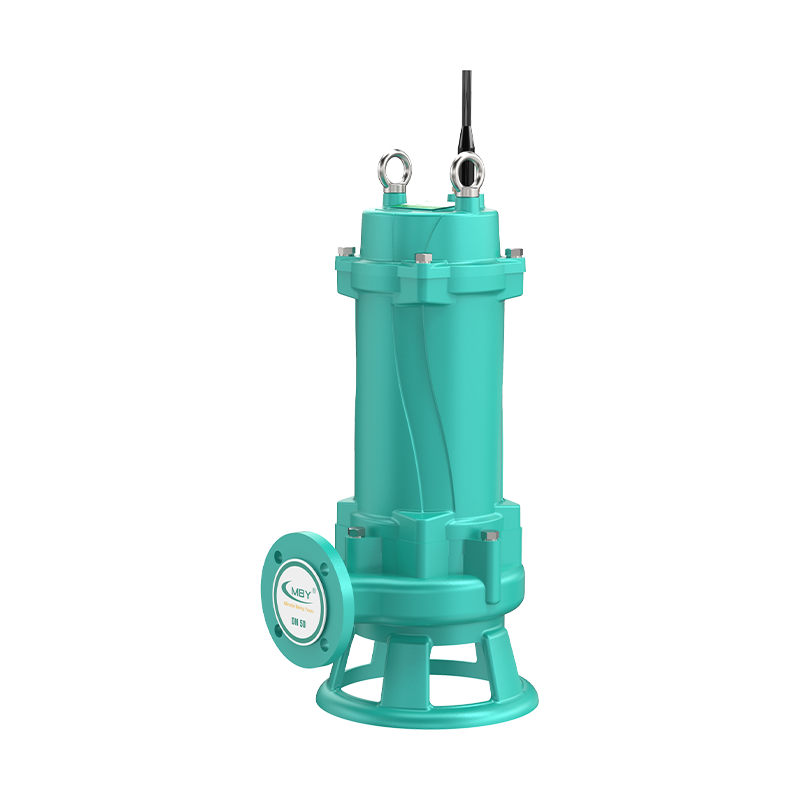
Ponorné čerpadlo: Aplikačné scenáre sú veľmi rôznorodé. Môže sa použiť na kúpanie v horúcich prameňoch, na ťažbu podzemnej vody z hlbokých vrtov a je tiež vhodný na projekty ťažby vody, ako sú rieky, nádrže a kanály. Môže sa tiež použiť na zavlažovanie poľnohospodárskej pôdy, vodu pre ľudí a hospodárske zvieratá vo vysokých horských oblastiach a odvodňovanie v mestách, továrňach, železniciach, baniach a na staveniskách a dokonca hrá úlohu pri odstraňovaní následkov katastrof. Najväčšou vlastnosťou je, že môže pracovať ponorený v kvapaline, vďaka čomu je jeho štruktúra kompaktná a zaberá malú plochu. Motor a vodné čerpadlo ponorného čerpadla sú navyše integrované a nie je potrebný dlhý hnací hriadeľ, takže prevádzka je relatívne stabilná. Prietok môže vo všeobecnosti dosiahnuť 5-650 m³/h a dopravná výška môže dosiahnuť 10-550 metrov. Rôzne typy ponorných čerpadiel majú rôzne výkonové parametre, ako sú ponorné čerpadlá na čistú vodu, ponorné čerpadlá na odpadovú vodu a ponorné čerpadlá na morskú vodu, ktoré budú navrhnuté a upravené podľa rôznych dopravných médií. Musí pracovať úplne ponorený v kvapaline, takže tesniaci výkon motora je veľmi vysoký, aby sa zabránilo vniknutiu kvapaliny do motora a jeho poškodeniu. Zároveň sú rôzne typy ponorných čerpadiel vhodné pre rôzne kvapalné médiá, ako je čistá voda, splašky, morská voda atď.
O Tefusen
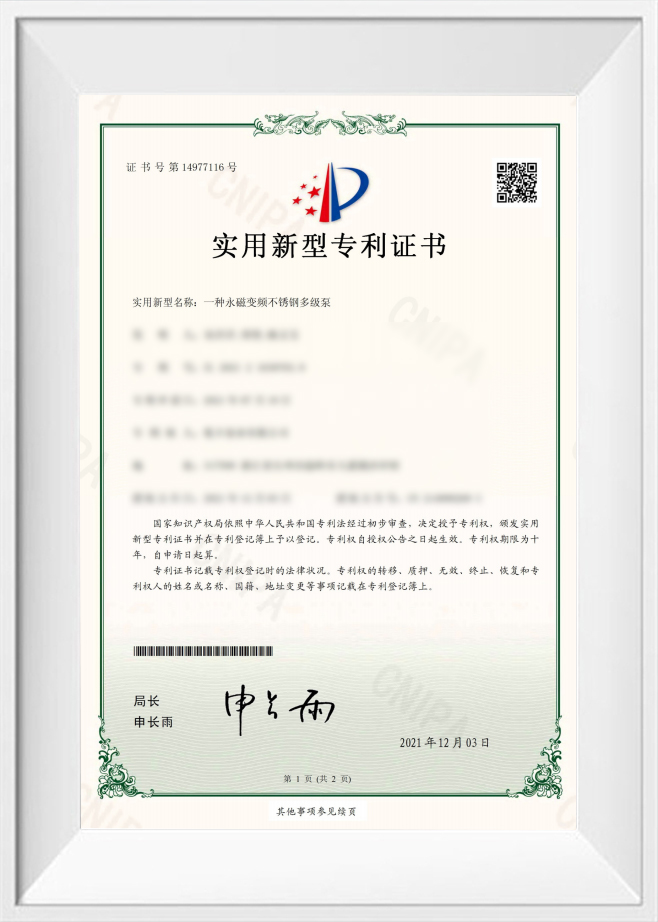
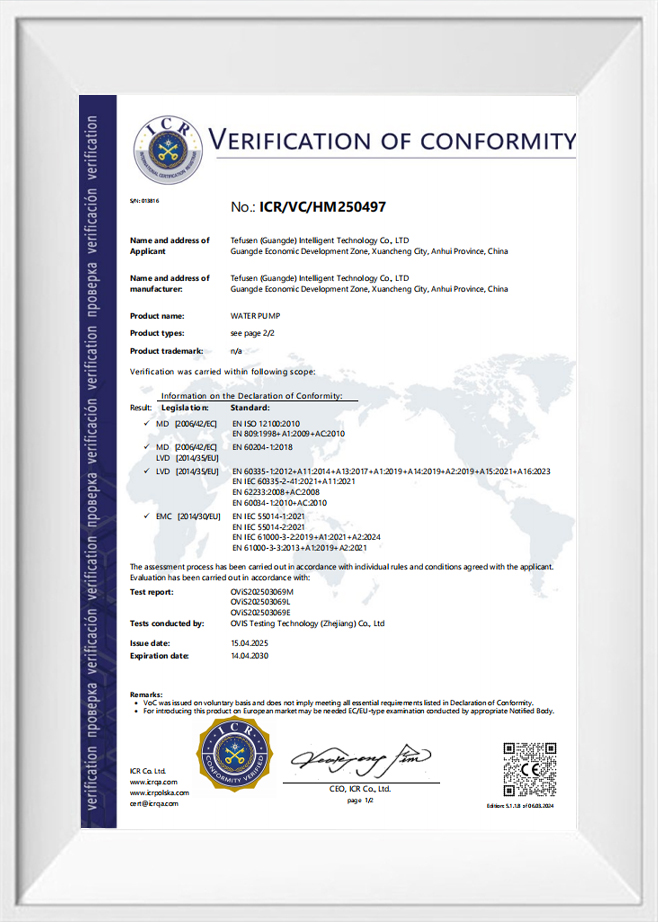
Čestné uznanie
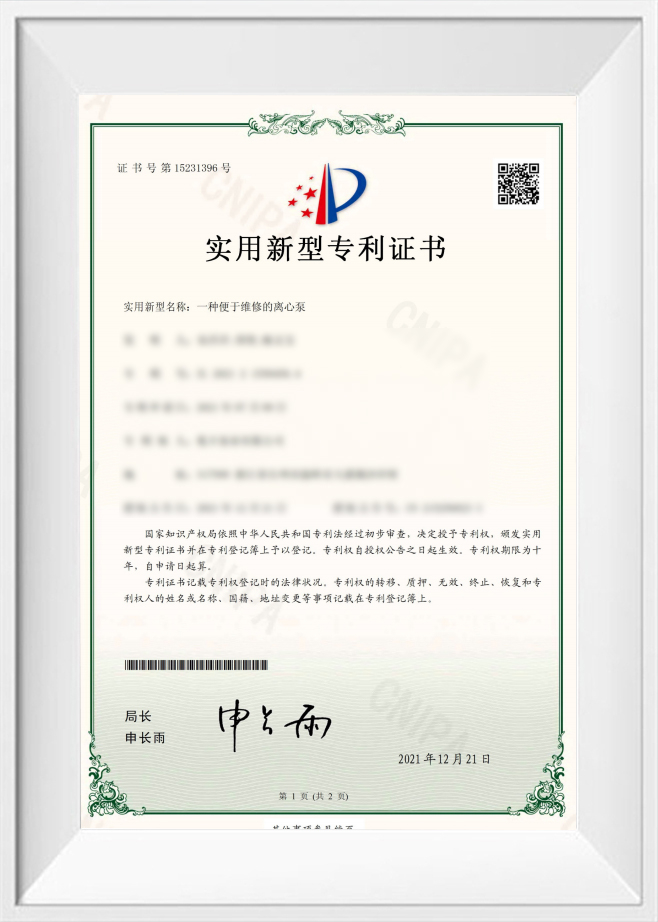
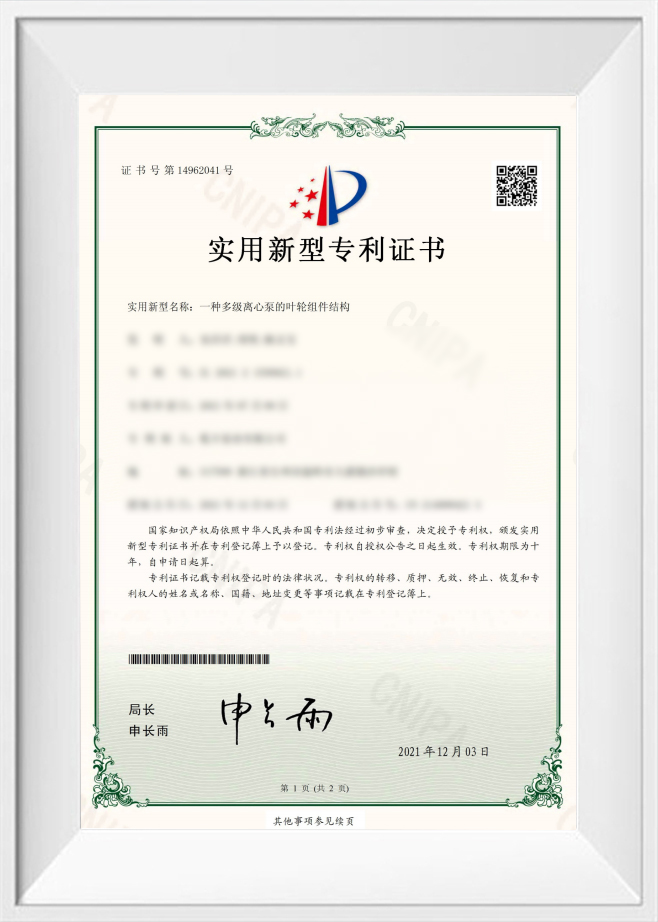
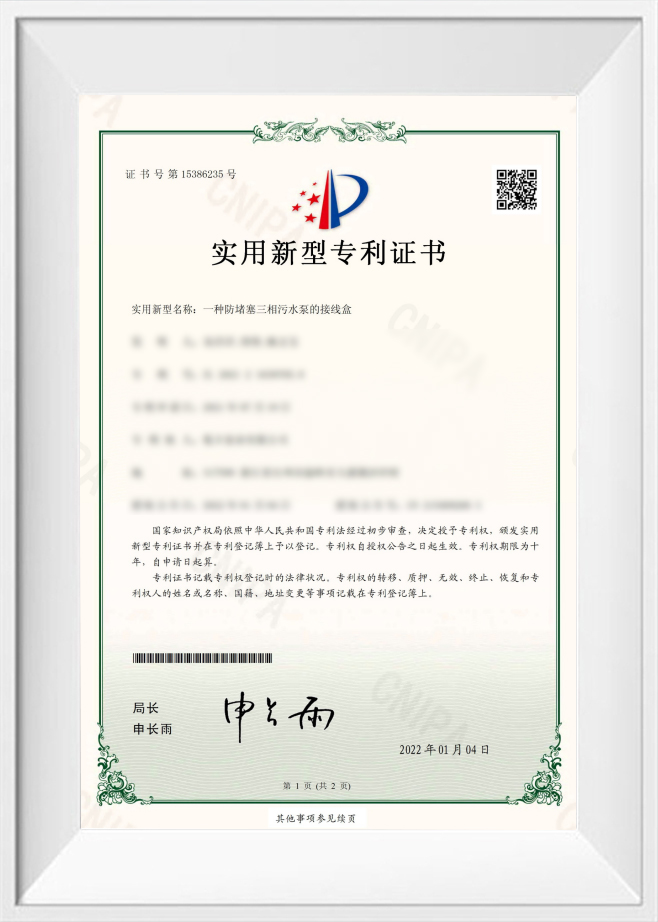
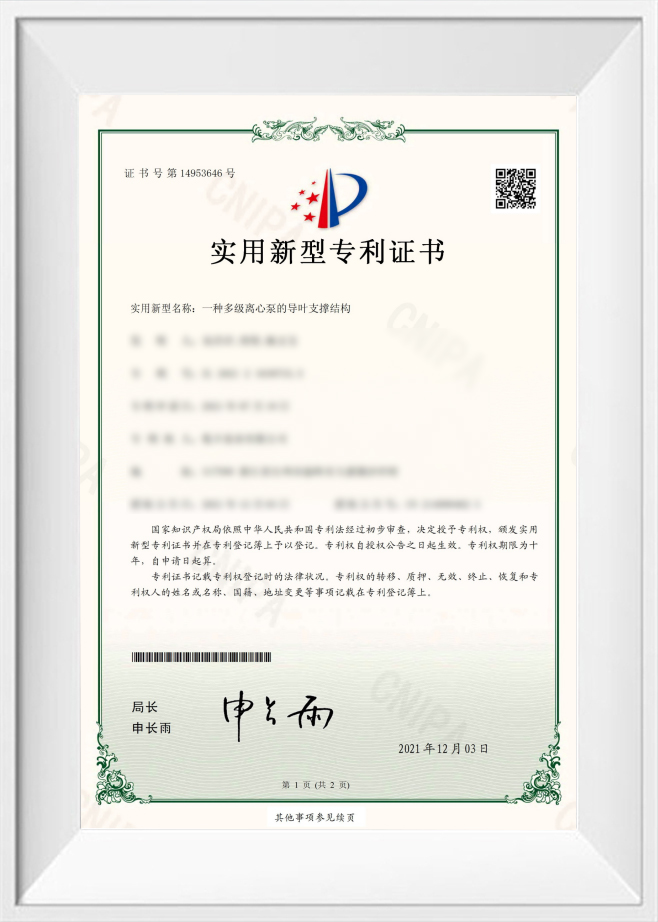
Najnovšie aktualizácie
Ponorné čerpadlá Odborné znalosti z odvetvia
When we think of pumping water, our minds often picture a pump on the surface, pulling liquid from a well or reservoir. However, a more efficient, discreet, and robust solution exists: the submersible water pump. These devices are unsung heroes of engineering, playing a critical role in everything from supplying water to remote communities and irrigating vast farmlands to managing urban drainage and even facilitating leisure activities like hot spring bathing.
The core principle of a submersible pump is its unique ability to be fully submerged in the fluid it is pumping. Unlike surface pumps that rely on suction, which is limited by atmospheric pressure and can lead to problems like cavitation, a submersible pump pushes the fluid from below. Cavitation, a common issue for surface pumps, occurs when a pump struggles to create a vacuum, causing vapor bubbles to form and collapse, which can significantly damage the internal components. By being submerged, these pumps are always surrounded by the liquid, ensuring a continuous flow and smooth, reliable operation. This design eliminates the need for priming, making them ready to work the moment they are placed in the water.
A submersible pump is a marvel of compact engineering. At its heart, it consists of a hermetically sealed motor directly connected to a pump body and an impeller. The motor is specially sealed to prevent any water from getting inside, ensuring its longevity and safety. This motor drives the impeller, a rotating component that uses centrifugal force to push the fluid outward and upward, creating the necessary pressure to lift the water to the surface. This integrated design, which eliminates the need for a long drive shaft, contributes to the pump’s stability and compact footprint.
The versatility of submersible pumps is remarkable, with applications spanning a wide range of industries and needs. For deep-well water extraction, they are the go-to solution for drawing groundwater for both residential and agricultural use. Their ability to handle high pressures and depths (with some models capable of a head up to 550 meters) makes them ideal for this task. In agriculture, they are crucial for irrigation, efficiently moving large volumes of water from rivers, reservoirs, and canals to fields. Their flow rates can be substantial, with many models moving between 5 and 650 cubic meters per hour, making large-scale irrigation projects feasible.
Beyond these common uses, submersible pumps are essential for drainage and flood control in urban areas, factories, and construction sites. They can quickly remove excess water, preventing damage and maintaining safety. In the mining industry, they are used for dewatering to keep mine shafts and tunnels dry. They even play a vital role in disaster relief, rapidly pumping out floodwaters. Specialized models, such as sewage submersible pumps, are designed with larger impellers to handle solids and debris without clogging, making them perfect for municipal wastewater systems.
While the core principle remains the same, submersible pumps are not one-size-fits-all. They are highly specialized and engineered to handle different media. A pump designed for a clean water well would be ineffective for handling the corrosive salt water of the sea. Seawater submersible pumps are constructed from special corrosion-resistant materials to withstand harsh marine environments. Similarly, sewage submersible pumps are built with robust, non-clogging designs to manage wastewater with suspended solids. The sealing of the motor is paramount in all these applications, as any leakage would lead to catastrophic failure.
The performance parameters of a submersible pump, such as its flow rate and head, are crucial for matching the right pump to the job. The flow rate, measured in cubic meters per hour, indicates the volume of liquid the pump can move. The head, measured in meters, refers to the maximum height the pump can lift the fluid. These two parameters are inversely related; as the head increases, the flow rate decreases. This relationship, known as the pump curve, is a critical tool for engineers to select the most efficient pump for a specific application. For instance, a pump for high-volume irrigation will have a high flow rate and lower head, while a deep-well pump will have a high head and a lower flow rate.
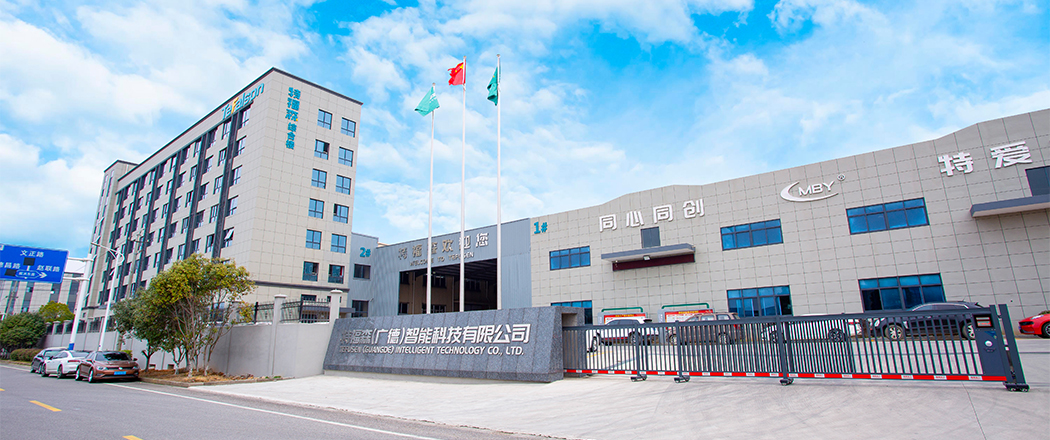
The innovation in this field continues to evolve, pushing the boundaries of what these pumps can do. For example, advancements in sealing technology have led to more durable and reliable motors. The integration of intelligent controls has also improved efficiency and reduced energy consumption. This focus on precision and performance is evident in the work of companies like Tefusen (Guangde) Intelligent Technology Co., Ltd., which continues to contribute to the development of robust and efficient fluid transfer solutions. These technological improvements are what make modern pumps so dependable, efficient, and adaptable to a wide array of demanding tasks.
In summary, the submersible water pump’s simple yet brilliant design, coupled with its ability to work seamlessly beneath the surface, makes it an indispensable tool for a variety of applications. From providing clean drinking water to draining flooded cities, its silent power and unwavering reliability are fundamental to the infrastructure of our world.
Spojte sa s nami
Adresa 1:
č. 4 Taoyuan Road, mesto Taozhou, mesto Guangde, mesto Xuancheng, provincia Anhui, Čína
Adresa 2:
Mesto Daxi, mesto Wenling, mesto Taizhou, provincia Zhejiang, čínske mesto inteligentnej výroby čerpadiel